A farmhouse kitchen with copper fixtures pairs two things that age well together: simple, sturdy materials and a warm metal that deepens in color over the years. If you love the farmhouse look but want it to feel less generic than white-on-white, copper is one of the easiest ways to add warmth and character. Below you will find practical ideas for the sink, the faucet and the smaller accents, plus advice on colors, materials and mistakes to avoid so the result looks intentional rather than themed.
Why Copper Works So Well in a Farmhouse Kitchen
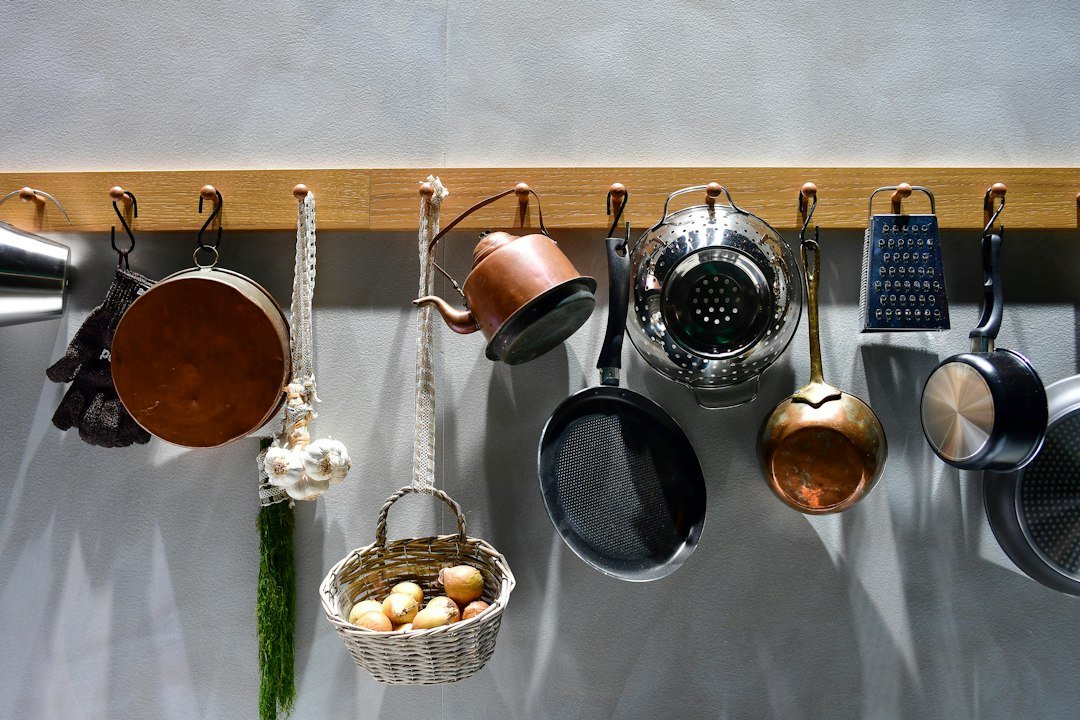
The farmhouse style grew out of working kitchens, where materials had to be durable, repairable and honest. Copper fits that story naturally. It has been used for pots, pans and kitchen vessels for generations, and it has a long track record in buildings too; the Copper Development Association gives an accessible overview in its page on copper in architecture.
Visually, copper brings warmth that balances the cooler elements common in farmhouse kitchens: white or cream cabinets, pale walls, stone or tile. Unlike a plated finish, solid copper also changes over time. As it develops a patina, it shifts from bright rose toward deeper browns, which suits a style that celebrates things that look used and loved.
Start With the Sink: The Heart of a Copper Farmhouse Kitchen
If you only make one copper statement, make it the sink. The apron-front (or farmhouse) sink is the signature of the style: a deep basin whose front panel is exposed below the countertop. In copper, that front panel becomes a focal point, especially when it is hand-hammered and catches the light.
Things to think about
- Hammered or smooth. A hammered surface tends to hide scratches and water marks more easily, while a smooth surface looks cleaner and more contemporary. Our comparison of hammered vs smooth copper sinks goes into the details.
- Cabinet compatibility. Apron-front sinks usually need a sink base cabinet designed or modified for them. Confirm the exact dimensions of the sink before ordering cabinets, and let your installer or cabinetmaker check the fit.
- Support. A deep sink full of water is heavy. Your installer should make sure the cabinet and countertop are built to carry it.
The contrast between a copper apron and painted cabinetry is what makes the look. Cream, sage green, soft gray, navy and deep forest green all frame copper nicely.
Choosing a Faucet for a Farmhouse Kitchen with Copper
The faucet should match the sink in spirit, but it does not need to be identical. A few classic farmhouse shapes work especially well in copper:
- Bridge faucets, with separate hot and cold handles joined by a horizontal bridge, feel traditional and pair naturally with apron-front sinks.
- High-arc gooseneck faucets give clearance for filling large pots, which matters with a deep farmhouse basin.
- Wall-mounted faucets keep the countertop clear and recall old utility sinks, but they require planning the plumbing inside the wall.
Before buying, check how many holes your sink or countertop has, what reach you need to land the water near the center of the basin, and whether the faucet is compatible with local plumbing standards. Our practical guide to choosing a copper kitchen faucet covers mounting types, spout height and reach. As with any fixture, have it installed by a qualified plumber.
Copper Accents Beyond the Sink
Once the sink and faucet set the tone, smaller copper touches tie the room together. Keep them deliberate so the space does not tip into a theme.
- Cookware on display. A rail or rack of copper pans over the range or island is both practical and decorative.
- Lighting. Copper pendants over an island echo the sink without competing with it.
- Hardware. Copper or warm bronze knobs and pulls can connect the cabinets to the sink area.
- Small vessels. A copper pitcher, utensil holder or planter adds warmth on open shelves.
A good rule is to repeat copper in two or three places around the room so the eye travels, rather than concentrating everything in one corner.
Colors and Materials That Pair Well With Copper
Farmhouse kitchens rely on natural textures. These combinations work particularly well with copper:
- Wood. Butcher-block counters, open oak shelves or exposed beams bring out copper’s warmth.
- Stone. White or gray marble, soapstone and honed granite offer a calm backdrop that lets copper glow.
- Tile. White subway tile is the classic choice. For more texture, handmade tiles such as Moroccan zellige add subtle color variation that suits hammered copper; our article on Moroccan bathroom ideas with zellige, tadelakt and hammered copper shows how these materials work together.
- Mixed metals. Copper can sit next to matte black or aged brass. Choose one dominant metal and use the others sparingly.
Practical Tips and Mistakes to Avoid
- Accept the patina. Solid copper will darken and change, especially around the sink. If you expect a permanent shine, you may be disappointed. If you embrace it, the kitchen gains character every year.
- Use gentle cleaning. Mild soap, water and a soft cloth are usually enough. Avoid steel wool, bleach and abrasive powders. See our guide on how to clean a copper sink without ruining the patina.
- Rinse acidic residues. Lemon, vinegar and tomato can leave bright spots on copper. Rinse after use.
- Do not overdo it. A copper sink, faucet, pendants, hood, backsplash and hardware all at once can feel heavy. Let one or two pieces lead.
- Plan before you buy. Measure, check cabinet sizes, and discuss plumbing with your installer early.
FAQ
Does copper suit a modern farmhouse kitchen?
Yes. Pair a smooth or lightly hammered copper sink with simple shaker cabinets, clean lines and limited accessories for a modern take.
Will a copper sink match other metals in my kitchen?
Copper can coexist with black, brass or stainless appliances. Keep copper as the warm accent and repeat it a couple of times for balance.
Is a copper sink hard to maintain?
Not especially. Daily care is mostly rinsing and drying. The key is avoiding harsh cleaners and accepting that the color will evolve.
What cabinet color looks best with copper?
Creams, warm whites, sage, navy and deep green are popular because they contrast with copper without clashing. Test samples in your own light.
Can I install a copper apron-front sink myself?
Because of the weight, cabinet modifications and plumbing involved, it is best left to a qualified installer and plumber.
Conclusion
A farmhouse kitchen with copper fixtures works because both rely on honest materials that improve with use. Start with a copper sink as the focal point, choose a faucet that suits its scale, repeat copper in a few well-chosen accents, and surround it with wood, stone and soft colors. Plan the practical details with professionals, accept the patina, and the kitchen will feel more personal every year. When you are ready to find your centerpiece, explore our handcrafted copper collection.