The best Moroccan bathroom ideas share one principle: build the room from handmade surfaces and warm materials, then keep the layout calm so the craftsmanship can breathe. Think glazed zellige tiles, smooth tadelakt plaster, carved wood, soft arches, filtered light and the glow of hand-hammered copper. You do not need a riad in Marrakech to get the feeling; a few well-chosen elements can transform an ordinary bathroom. Here is how to do it with intention rather than turning the room into a themed set.
Start with a Moroccan palette and a clear plan
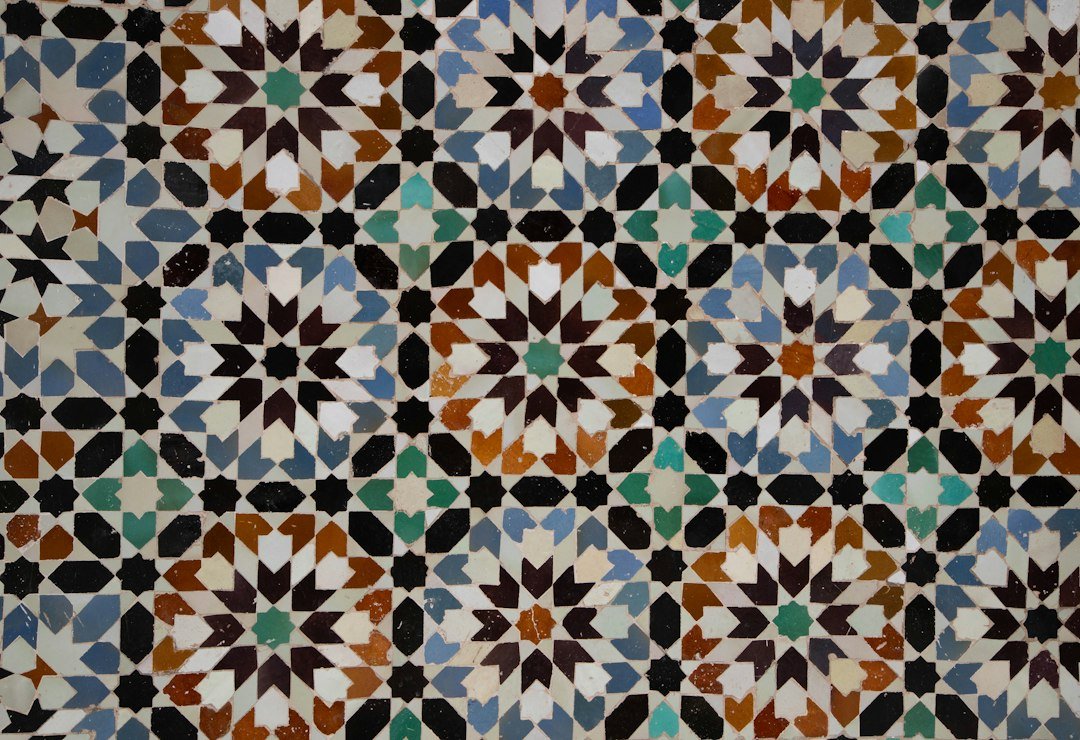
Traditional Moroccan interiors draw on colours found in the landscape and the medina: terracotta, ochre, sand, deep blue, emerald green and the warm metallic tones of copper and brass. The trick in a bathroom is restraint. Choose one hero colour, one or two supporting neutrals, and let metal and wood add warmth.
A simple way to plan:
- Pick a focal wall. Usually behind the vanity or inside the shower. This is where pattern or colour goes.
- Keep the other walls quiet. Plain plaster, lime wash or a single-colour tile.
- Repeat one warm metal. Copper on the faucet, sink, mirror frame or lighting ties the room together.
Zellige tiles: handmade colour and light
Zellige is the glazed terracotta mosaic tile most people picture when they think of Moroccan design. Each piece is shaped and cut by hand, so surfaces are slightly uneven and the glaze varies from tile to tile. In a bathroom that irregularity is the point: light bounces across the wall instead of sitting flat. For background on the craft’s long history, the Museum of Ethnography in Budapest has a clear introduction to zellige as Morocco’s historical legacy and living heritage.
Ideas for using zellige well:
- A full-height shower wall in a single deep colour such as green or blue.
- A vanity backsplash in white or cream zellige behind a copper sink and faucet.
- A geometric pattern on the floor of a small powder room, with plain walls above.
Zellige also pairs well with other natural materials. Against white marble it looks fresh and bright; beside dark wood it feels warmer and more traditional; and next to copper, the glaze picks up the metal’s reflections so the whole wall seems to glow in the evening light. Keep the grout colour close to the tile colour for a calmer, more contemporary result.
Because handmade tile is irregular, choose an installer who has worked with it before and follow their advice on grout and sealing for wet areas.
Tadelakt and lime plaster for seamless walls
Tadelakt is the traditional lime plaster of the Marrakech region. It is applied by hand, compacted and polished with stones, and finished with black soap, which gives it a soft sheen and good water resistance. It has long been used in hammams and bathrooms, and its seamless surface creates a calm, cave-like feeling that suits a shower or bath alcove.
Tadelakt is a specialist craft. It needs a skilled applicator and regular gentle care, so it is worth getting quotes from someone experienced rather than treating it as a weekend project. If true tadelakt is not practical, a lime wash or matte plaster finish on dry walls gives a similar texture outside the wet zones.
Copper fixtures: the warm centrepiece of Moroccan bathroom ideas
Metalwork has been part of Moroccan craft for centuries, and hand-hammered copper brings that heritage into the bathroom more than any other single element. A copper basin set on a carved wood or plaster vanity, paired with a copper faucet, instantly anchors the room.
A few choices to make:
- Sink style. A vessel basin shows off the hammered exterior; an undermount basin keeps the counter cleaner. Our guide to vessel vs undermount copper sinks explains the practical differences.
- Finish. A living finish darkens into a deep brown patina that suits the earthy palette; a brighter, polished finish adds more sparkle against coloured tile.
- Accessories. Copper towel rails, mirror frames or lantern-style lights repeat the metal around the room.
Each handmade piece carries the marks of the tools that shaped it. To see where those marks come from, read about how Moroccan coppersmiths hand-hammer every piece.
Arches, wood, lighting and textiles
Architecture does a lot of the work in Moroccan interiors. You can borrow it on a small scale:
- Arched shapes. An arched mirror, a niche in the shower wall or an arched doorway softens a boxy room.
- Carved or painted wood. A vanity with carved panels, or open shelving in dark wood, balances tile and metal.
- Pierced metal lanterns. They cast patterned shadows on the walls. Make sure any light fitting in a bathroom is rated for its zone and installed by a qualified electrician.
- Textiles. Flat-woven towels, a cotton hammam towel or a rug outside the wet area add softness.
- Plants. Olive trees, palms or trailing greenery bring the courtyard feeling indoors if you have the light.
Keeping a Moroccan bathroom practical
Beautiful materials need sensible care. Ventilate well, since steam and standing water affect plaster, grout and metal over time. Wipe copper dry after use and clean it with mild soap rather than harsh chemicals; our article on cleaning a copper sink and faucet without ruining the patina covers the full routine. Have any plumbing installed by a qualified plumber who can check fittings and local code.
Finally, think about how the room will age. Natural materials do not stay identical to the day they were installed: copper deepens in colour, lime plaster softens, wood darkens. Choosing materials that age gracefully together is what keeps a Moroccan-style bathroom looking authentic years later rather than dated.
FAQ
What colours work best in a Moroccan-style bathroom?
Earthy neutrals such as sand, cream and terracotta, with one strong accent like deep blue or green. Copper and brass add warmth without competing.
Can I create a Moroccan bathroom in a small space?
Yes. Limit pattern to one wall or the floor, use a compact copper vessel sink and an arched mirror, and keep everything else simple.
Is zellige suitable for showers?
Zellige is widely used on bathroom and shower walls. Because it is handmade and uneven, use an experienced installer and follow their advice on grout and sealing.
Does copper suit a Moroccan bathroom?
It is one of its signature materials. Hand-hammered copper sinks, faucets and accessories echo the metalwork of Moroccan souks.
Is tadelakt waterproof?
Properly applied and maintained tadelakt is water-resistant and has long been used in hammams, but it depends on skilled application and regular care.
Conclusion
The most convincing Moroccan bathroom ideas rely on real craft: handmade tile, lime plaster, carved wood and hand-hammered copper, arranged with restraint. Choose one focal surface, repeat a warm metal, and give natural materials room to age. When you are ready to add the centrepiece, explore our handcrafted copper collection.