If you are choosing between a hammered vs smooth copper sink, the short answer is this: a hammered finish hides scratches, water spots and dents better and gives a warm, handmade look, while a smooth finish feels cleaner and more modern but shows every mark more clearly. Both are real copper, both develop a natural patina, and both last for decades with simple care. The right choice depends on how you use the sink and the style of your room.
Below, we compare the two finishes point by point so you can decide with confidence.
What is the difference between hammered and smooth copper?
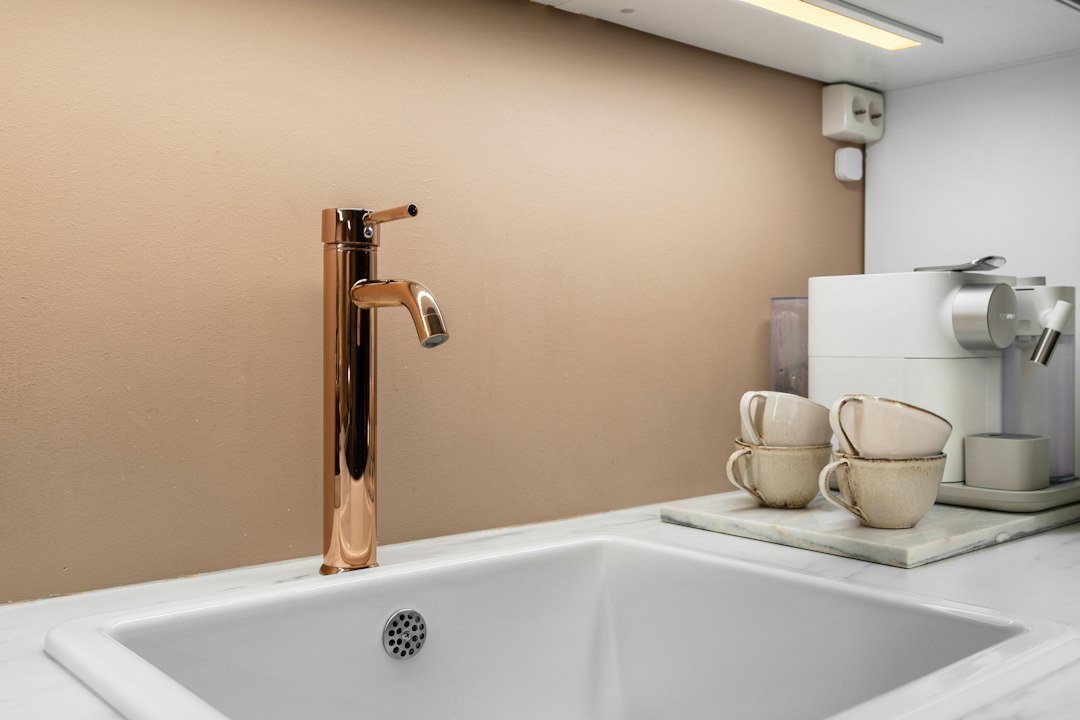
The difference is the surface texture, not the metal. A hammered copper sink is shaped and textured by striking the sheet with a hammer, again and again, until the surface is covered with small dimples. In traditional workshops, such as those of Marrakech, this is done entirely by hand, so the pattern is never exactly the same twice.
A smooth copper sink keeps a flat, even surface. It may be brushed, satin or polished, but it does not have the dimpled texture. The result looks calmer and more uniform.
Looks and style: which one suits your space?
Hammered copper catches the light in many small facets. That makes the surface look rich and lively, even under ordinary kitchen lighting. It fits naturally in:
- Farmhouse and rustic kitchens
- Moroccan, Mediterranean and bohemian interiors
- Bathrooms with natural stone, zellige tiles, tadelakt or reclaimed wood
Smooth copper reflects light in broader, softer areas. It reads as more minimal and works well in:
- Modern and contemporary kitchens
- Industrial interiors with concrete, black steel or dark wood
- Small spaces where you want the copper colour without a busy texture
If you are unsure, look at the other surfaces in the room. Busy materials (patterned tiles, veined marble) often pair better with smooth copper, while plain surfaces leave room for the texture of a hammered piece to shine.
Scratches, dents and everyday wear
This is where the two finishes differ the most in daily life.
Hammered copper
The dimpled surface breaks up the light, so small scratches, minor dents and water marks are much harder to see. A hammered sink usually looks good even in a busy family kitchen. Hammering also works the metal, which tends to make it a little firmer at the surface.
Smooth copper
On a flat surface, every fine scratch and water ring is easier to spot, especially in the first months. Over time, the patina softens these marks and the sink takes on a lived-in look, but if you want a spotless appearance, expect to wipe it more often.
Patina: how each finish ages
Copper is a “living” metal. When it is left uncoated, it reacts with air, water and everyday use and slowly darkens from bright salmon-pink to warm brown tones. This layer, called patina, also helps protect the surface.
- On hammered copper, patina often forms unevenly between the high and low points of the texture. This adds depth and highlights the hand-worked pattern.
- On smooth copper, patina tends to develop in broader zones. Areas that are touched or washed more often may stay brighter for longer, which some people love and others find uneven.
Both finishes can be left to age naturally or kept brighter with regular gentle cleaning. If you want to slow the colour change, ask whether a piece has a protective coating before you buy, because the care routine is different for coated and uncoated copper.
Cleaning and maintenance
The basic routine is the same for both finishes:
- Rinse after use and wipe dry with a soft cloth to limit water spots.
- Wash with warm water and a mild, pH-neutral soap.
- Avoid abrasive pads, steel wool and harsh chemicals such as bleach or strong drain cleaners.
- Do not leave acidic foods (lemon, tomato, vinegar) sitting on the surface for long, as they can remove patina in spots.
In practice, a hammered sink is more forgiving: you can skip a wipe now and then without it showing. A smooth sink rewards a little more attention if you want an even look.
Hammered or smooth: a quick comparison
- Hides scratches and water spots: hammered is better.
- Modern, minimal look: smooth is better.
- Handmade character: hammered shows the craft more clearly.
- Easy everyday upkeep: hammered is more forgiving.
- Even, uniform colour: smooth gives broader, calmer tones.
For a kitchen sink that sees heavy daily use, many homeowners prefer hammered copper. For a guest bathroom or a design-led modern space, smooth copper can be a beautiful choice.
Every piece in our workshop is shaped by hand in Marrakech. Explore our handcrafted copper collection to see the textures up close.
FAQ
Is a hammered copper sink more durable than a smooth one?
The metal is the same, so both can last for decades. The main practical advantage of hammered copper is that it hides everyday scratches and dents better, so it tends to look good for longer with less effort.
Does hammered copper need special cleaning?
No. Warm water, mild soap and a soft cloth are enough. Avoid abrasive pads and harsh chemicals on any copper surface.
Will a smooth copper sink scratch easily?
Copper is a relatively soft metal, so fine scratches can appear on any finish. They are simply more visible on a smooth surface. Patina gradually blends them in.
Can I stop my copper sink from changing colour?
Uncoated copper will always develop patina over time. Some pieces receive a protective coating to slow this down; ask the maker which option a sink has, because it changes how you should care for it.
Which finish is better for a bathroom?
Both work well. Hammered copper suits rustic, Moroccan and natural-material bathrooms, while smooth copper suits modern and minimalist ones.
Conclusion
When comparing a hammered vs smooth copper sink, think about daily use first, then style. Hammered copper is the forgiving, characterful choice that hides wear and celebrates hand craftsmanship. Smooth copper is the clean, contemporary option that rewards a little extra care. Either way, you get a natural material that ages with your home and gains beauty over the years.